|
 |
USMA1957/PC
'57 Prostate Cancer Support
Group |
 |
'57-PC Home
Sign-up/Update
FAQs Support
Groups Literature VA
Claims Links
Frequently Asked Questions
(We are working on this page and could use your input)What is the prostate? What is prostate cancer? How Many Men Get Prostate Cancer? How Is Prostate Cancer Found? Can Prostate Cancer Be Prevented? What are the causes and risks associated with prostate cancer? What are the symptoms of prostate cancer? How is prostate cancer diagnosed? Why is prostate cancer staged? How Is Prostate Cancer Treated? What is Radioactive Seed Implant? What Is the Best Treatment for Me? What Are Some Questions I Can Ask My Doctor? Moving on After Treatment. Prostate Cancer Survival Rates. What's New in Prostate Cancer Research? As well as some terms about which you may have a question: DRE PSA Biopsy Gleason score Stage
What is the prostate? The prostate gland is a small, walnut-sized gland in men. It is located below the bladder and surrounds the upper portion of the urethra. The prostate gland lies in front of the rectum, and its posterior surface can be felt during a rectal examination. The function of the prostate is to secrete a fluid that makes up part of the semen. The prostate gland may be a source of many health problems in men, the most common being benign prostatic hyperplasia (BPH), prostatitis and cancer. (Source: American Urological Association) - - - - - The prostate (PROS-tate) is a gland found only in men, so only men get prostate cancer. The prostate is about the size of a walnut. It is just below the bladder and in front of the rectum. The tube that carries urine (the urethra) runs through the prostate. 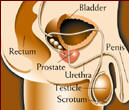
The prostate contains cells that make some of the seminal fluid. This fluid protects and nourishes the sperm. Male hormones cause the prostate gland to develop in the fetus. The prostate keeps on growing as a boy grows to manhood. If male hormones are removed, the prostate gland will not grow to full size, or it could shrink. Most of the time, prostate cancer grows very slowly. Autopsy studies show that many elderly men who died of other diseases also had prostate cancer that neither they nor their doctor were aware of. But sometimes prostate cancer can grow and spread quickly. Even with the latest methods, it is hard to tell which prostate cancers will grow slowly and which will grow quickly. Some doctors believe that prostate cancer begins with very small changes in the size and shape of the prostate gland cells. These changes are known as PIN (prostatic intraepithelial neoplasia). These changes are grouped as either low-grade (almost normal) or high-grade (abnormal). If you have had high-grade PIN, there is a higher chance that there are cancer cells in your prostate. For this reason, you will be watched carefully. (Source: American Cancer Society)
What is prostate cancer? Prostate cancer is a significant health-care problem in the United States due to its high incidence. It is the most common cancer in men affecting approximately 189,000 American men each year with approximately 32,000 of these men dying each year. Prostate cancer is different from most cancers in that a large percentage of men may have a silent form of this cancer — it does not cause symptoms or progress beyond the prostate gland. Sometimes this cancer can be small, slow growing and present limited risk to the patient. Clinically important prostate cancers can be defined as those that threaten the well-being or life span of a man. (Source: American Urological Association)
How Many Men Get Prostate Cancer?
Prostate cancer is the most common type of cancer found in American men, other than skin cancer. The American Cancer Society estimates that there will be about 220,900 new cases of prostate cancer in the United States in the year 2003. About 28,900 men will die of this disease. Prostate cancer is the second leading cause of cancer death in men, exceeded only by lung cancer. While 1 man in 6 will get prostate cancer during his lifetime, only 1 man in 32 will die of this disease. The death rate for prostate cancer is going down. And the disease is being found earlier as well. African-American men are more likely to have prostate cancer and to die of it than are white or Asian men. The reasons for this are still not known. (Source: American Cancer Society) Back to Top
How is prostate cancer diagnosed? Currently, digital rectal examination (DRE) and PSA tests are used for prostate cancer detection. The age at which time screening for prostate cancer should begin is not known with certainty. However, most experts agree that healthy men over the age of 50 should consider prostate cancer screening with a DRE and PSA test. Screening should occur earlier, at age 45, in those who are at a higher risk of prostate cancer such as black men or those with a family history of prostate cancer. DRE: Is performed with the man either bending over, lying on his side or with his knees drawn up to his chest on the examining table. The physician inserts a gloved finger into the rectum and examines the prostate gland, noting any abnormalities in size, contour or consistency. DRE is inexpensive, easy to perform and allows the physician to note other abnormalities such as blood in the stool, which might allow for the early detection of rectal or colon cancer. However, DRE is not the most effective way to catch an early cancer so it should be combined with a PSA test. PSA test: Is usually performed in addition to DRE and increases the likelihood of prostate cancer detection. The test measures the level of PSA, a substance produced only by the prostate, in the bloodstream. Very little PSA escapes from a healthy prostate into the bloodstream, but certain prostatic conditions can cause larger amounts of PSA to leak into the blood. One possible cause of a high PSA level is benign (non-cancerous) enlargement of the prostate, otherwise known as BPH. Prostate cancer is another possible cause of an elevated PSA level. The frequency of PSA testing remains a matter of some debate. The American Urological Association (AUA) encourages men to have annual PSA testing starting at age 50. The AUA also recommends annual PSA testing for men over the age of 40 who are African-American or have a family history of the disease (for example, a father or brother who was diagnosed with prostate cancer). Some experts have suggested that men with an initial normal DRE and PSA level of less than 2.5 ng/ml can have PSA testing performed every two years. Recently, several refinements have been made in the PSA blood test in an attempt to determine more accurately who has prostate cancer and who has false-positive PSA elevations caused by other conditions like BPH. These refinements include PSA density, PSA velocity, PSA age-specific reference ranges and use of total-to-free PSA ratios. Such refinements may allow for improved increased ability to detect cancer. Currently, it is recommended that both a DRE and PSA test be used for the early detection of prostate cancer. It is important to realize that in most cases an abnormality in either test is not due to cancer but to benign conditions, the most common being BPH. For instance, it has been shown that only 18 to 30 percent of men with serum PSA values between four and 10 ng/ml have prostate cancer. This number rises to approximately 42 to 70 percent for those men whose PSA values exceeding 10 ng/ml. Biopsy: Prostate biopsy is best performed under transrectal ultrasound guidance using a spring-loaded biopsy device coupled to the transrectal probe, which is placed in the rectum. Patients are positioned on their side for this procedure. The physician will first image the prostate using ultrasound noting the prostate gland's size and shape and whether or not any other abnormalities exist, the most common of which are shadows which might signify the presence of prostate cancer. However, not all prostate cancers are visible. Using the spring-loaded biopsy device attached to the ultrasound probe, the physician will perform multiple biopsies of the prostate gland. Generally, six to 14 biopsies will be performed. Recently, many investigators have shown that performing more than six biopsies, especially in certain regions of the prostate gland, will improve the ability to detect prostate cancer. Each biopsy will remove a cylinder of prostate tissue approximately 3/4 inch in length and 1/16 inch in width. The entire procedure will take 20 to 30 minutes. The biopsy tissue taken will then be examined by a pathologist (a physician who specializes in examining human tissue to determine whether it is normal or diseased). The pathologist will be able to confirm if cancer is present in the biopsy tissue. If cancer is present, the pathologist will also be able to grade the tumor. The grade indicates the tumor's "aggression level" — how quickly it is likely to grow and spread. The most popular prostate cancer grading system is the Gleason score system and is designated between two and 10. Scores of two to four designate low aggressiveness, five to six mildly aggressive, seven moderately aggressive and scores of eight to 10 highly aggressive. Although transrectal ultrasound guided prostate biopsy is usually very well tolerated, approximately 20 to 25 percent of those undergoing the procedure may find it painful. Injecting local anesthetics into the area before biopsy may minimize this discomfort. Blood in the ejaculate (hematospermia) and blood in the urine (hematuria) are common, occurring in approximately 40 to 50 percent of patients. High fever is rare, occurring in only 3 to 4 percent of patients. Antibiotics and enemas are usually given at the time of the procedure to prevent infection. (Source: American Urological Association) - - - - - Prostate cancer can often be found early by testing the amount of PSA (prostate-specific antigen) in your blood. Another way prostate cancer is found early is when the doctor performs a rectal exam. Because the prostate gland lies just in front of the rectum, the doctor can feel if there are any bumps or hard places in the prostate. These often indicate a cancer. If you have had routine yearly exams and either one of these test results becomes abnormal, your cancer has probably been found at an early stage. Since about 1990 it has become more common for men to have tests to find prostate cancer early. The prostate cancer death rate has dropped, too. But we do not yet know if this drop is the direct result of the tests. Studies are going on to try to find the answer to this question. Until the answer is known, you should talk to your doctor about whether or not you want to be tested. Things to take into account are your age and your health. If you are young and you get prostate cancer, it will probably shorten your life if it is not caught early. But if you are older or in poor health, then prostate cancer may never become a major problem, because it often grows so slowly. What The American Cancer Society Recommends The American Cancer Society believes that doctors should offer the PSA blood test and DRE (digital rectal exam) yearly, beginning at age 50 to men who do not have any serious medical problems and can be expected to live at least 10 more years. Men at high risk (African Americans and men who have a close family member with prostate cancer at an early age), should begin testing at age 45. Doctors should talk to men about the benefits and risks of testing. There are other medical groups such as the National Cancer Institute (NCI) that do not recommend routine testing for prostate cancer. The PSA Blood Test The PSA blood test measures a protein (prostate-specific antigen) made by prostate cells. PSA results are reported as ng/ml, which stands for nanograms per milliliter. Results under 4ng/ml are usually considered normal. If your level is above 4 but less than 10, you have about a 25% chance of having prostate cancer. If it goes above 10, your chances are higher. But factors other than cancer can also cause the PSA level to go up. And your PSA level will also go up slowly as you get older. Men with a high PSA will need further tests to find out if they actually have cancer. The PSA test is also useful after prostate cancer has been found. It can help predict survival (prognosis) before treatment. And it can be used along with other results to help decide the need for further treatment. And it can be used to help decide if treatment is working or not. A very high PSA level might mean that the cancer has most likely spread beyond the prostate. Some forms of treatment are not as useful for cancer that has spread to the lymph nodes or other organs. DRE (Digital Rectal Exam) To do the DRE the doctor inserts a gloved, lubricated finger into the rectum to feel for any irregular or abnormally firm area that might be cancer. The prostate gland is next to the rectum, and most cancers begin in the part of the gland that can be reached by a rectal exam. While it is uncomfortable, the exam isn’t painful and takes only a short time. DRE is less effective than the PSA blood test in finding prostate cancer, but it can sometimes find cancers in men with normal PSA levels. For this reason, ACS guidelines recommend that both the DRE and the PSA be used for finding prostate cancer early. The DRE is also used once a man is known to have prostate cancer. It can help predict whether the cancer has spread beyond his prostate gland. It is also used to find cancer that has come back after treatment. If Cancer Is Suspected Early prostate cancer often has no symptoms. It may be found by a PSA test or DRE. Problems with urinating could be a sign of prostate cancer. But more often this problem is caused by a less serious disease known as BPH (benign prostatic hyperplasia). Symptoms of advanced prostate cancer include the following: Trouble having or keeping an erection (impotence) Blood in the urine Pain in the pelvis, spine hips, or ribs
Once again, other diseases also can cause these symptoms. If certain symptoms or the results of early tests suggest you might have prostate cancer, your doctor will use further tests to find out whether the disease is present. The prostate biopsy: A biopsy (buy-op-see) is the only way to know for sure if you have prostate cancer. During a biopsy, cells from your prostate are removed so they can be sent to the lab to see if there are cancer cells. A core needle biopsy is the main method used. Here is how it’s done: A small probe is placed in the rectum. The probe gives off sound waves that create a picture of the prostate on a video screen. This technique is called TRUS (transrectal ultrasound). Guided by TRUS, the doctor inserts a narrow needle through the wall of the rectum into the area of the prostate gland that appears suspicious. The needle then removes a piece of tissue, usually about ½ inch long and 1/16 inch across. The sample is sent to the lab to see if cancer cells are present. Although the test sounds painful, it usually causes little discomfort because it is done very quickly. Also, the doctor can numb the area ahead of time. Several samples are often taken from different parts of the prostate. Ask your doctor how many samples will be taken. Once in a while, the biopsy will fail to find cancer even when it is there. This is known as a "false negative. If your doctor still strongly suspects cancer, a repeat biopsy may be needed. Grading the prostate cancer: If cancer is found in your biopsy sample, it will be graded in order to predict how fast the cancer is likely to grow and spread. Prostate cancers are graded on the basis of how closely the tissue sample looks like normal prostate tissue. Tissue that looks very different from normal tissue is likely to mean a cancer that grows faster. The system used most often for grading prostate cancer is called the Gleason system. Samples from two areas of the prostate are graded from 1 to 5, and the number grades are added to give a Gleason score or sum. The lower the number, the more the tissue looks like normal prostate tissue. A higher score means the samples look less normal and the cancer is likely to grow more quickly. Scores of 2 through 4 are often considered low, 5 and 6 are called intermediate, and scores of 7 to 10 are high. Ask your doctor to explain the grade of your tumor because it is an important factor in making treatment decisions. (Source: American Cancer Society) Back to Top
Can prostate cancer be prevented?
No. However, you can take measures to reduce the risk by maintaining your health in general — healthy diet, being physically active and visiting the doctor on a regular basis. Clinical studies are ongoing which are testing the ability of some agents like vitamin E and selenium to prevent prostate cancer. (Source: American Urological Association) - - - - - Some cases of prostate cancer might be prevented. One risk factor that can be changed is diet. You may be able to lower your risk of prostate cancer by eating less fat and more vegetables, fruits, and grains. The American Cancer Society suggests a diet low in red meats (especially those high in fat) and high in vegetables, fruits, and grains. Eat 5 or more servings of fruits and vegetables each day. These guidelines provide an overall healthful approach to eating that may help lower your risk for some other types of cancer. Tomatoes, grapefruit, and watermelon are rich in a substance (lycopenes) that helps prevent damage to DNA and may help lower prostate cancer risk. While some studies suggest that taking 50 milligrams of vitamin E daily can lower the risk of prostate cancer, other studies have found no benefit. But this vitamin is not expensive and doesn’t cause any major side effects. So taking reasonable doses is not harmful. On the other hand, vitamin A supplements may actually increase prostate cancer risk. It’s always a good idea to check with your doctor about taking vitamins or supplements. There is another study going on to find out if the drug finasteride, which prevents the prostate from using male hormones, can reduce prostate cancer risk. Because prostate cancer forms slowly, it will be several years before we know the answer. (Source: American Cancer Society)
What are the causes and risks associated with prostate cancer? What causes prostate cancer is a subject of intensive research. It is likely that prostate cancer occurs due to many reasons. Predominately a disease of elderly men, the diagnosis of prostate cancer is rare before age 40 but increases dramatically thereafter. In the United States, it is estimated that one in 55 men between the ages of 40 and 59 will develop prostate cancer. This incidence climbs almost to one in seven for men between ages 60 and 79. This association is also reflected in mortality as prostate cancer accounts for 10.8 percent of cancer-related deaths in men between the ages of 60 and 79 and 24.6 percent in those over the age of 80. ) Worldwide, prostate cancer ranks third in cancer incidence and sixth in cancer mortality among men. There is, however, a notable variability in incidence and mortality among world regions. The incidence is low in Japan and intermediate in regions of Central America and Western Africa. The incidence is higher in North America and Northern Europe. Although some of these differences may be accounted for by differences in screening for prostate cancer and the risk of other diseases among world regions, it is likely that they can be accounted for, in part, by genetic predisposition as well as diet. There are also ethnic determinants of risk. Blacks are in the highest risk group, with an incidence of 224.3 cases per 100,000 black men. The incidence in Caucasian and Asian men is considerably lower at 150.3 and 82.2 (per 100,000), respectively. In addition, blacks tend to present with more advanced disease and have poorer overall prognosis than Caucasian or Asian men. Men with a family history of prostate cancer are at an increased risk of developing the disease. The risk correlates with the number of first-degree relatives (father, brother or uncle) affected by prostate cancer and the age at onset. Men with a family history of disease may have a risk of developing prostate cancer two to 11 times greater than men without a family history of prostate cancer. There is also considerable evidence showing that prostate cancer is more common in men with a high intake of fat in their diets. The worldwide difference in prostate cancer incidence may be associated with dietary intake of soy proteins. In Asian countries such as Japan and the Republic of Korea where prostate cancer incidence and mortality are just a fraction of that in North America, soy consumption in the form of tofu, soymilk and miso is up to 90 times higher than that consumed in the United States. In a study of more than 40 nations, researchers found soy, on a per calorie basis, to be the most protective dietary factor. This protective role may be associated with two of soy's components, genistein and daidzein that may act as weak estrogens. Estrogens are female hormones that inhibit prostate cancer growth. Some experts have suggested that the worldwide differences in prostate cancer incidence may also be explained by the high intake of green tea by residents of Asia. The intake of other certain dietary factors may also reduce the risk of developing prostate cancer. Such substances include lycopene, selenium and vitamin E. Cooked tomatoes are rich sources of the carotenoid lycopene. Lycopenes are antioxidants that may protect cells from becoming cancerous. Several studies have shown that the likelihood of developing prostate cancer is reduced by high intake of lycopene. Researchers found that men ingesting two or more servings of tomato sauce per week had a 36 percent reduction in cancer risk compared to those who did not. Selenium intake has also been reported to lower prostate cancer risk. In a clinical trial designed to determine if selenium could lower skin cancer recurrences, men who took selenium had a 63 percent reduction in prostate cancer incidence compared to those who took a sugar pill (placebo). Attention has also focused on vitamin D's effect on the prostate. Epidemiologic evidence shows an inverse relationship between prostate cancer risk and ultraviolet radiation, the primary source for vitamin D production. This observation has led some to suggest that higher rates of prostate cancer in the elderly may be partly due to decreased sun exposure or a decline in the body's ability to make vitamin D with aging. Finally, the correlation of vasectomy and prostate cancer risk remains controversial. Although some studies have suggested that men who have undergone a vasectomy are at an increased risk of developing prostate cancer, many other studies have failed to show such a correlation. (Source: American Urological Association) - - - - - We do not yet know exactly what causes prostate cancer, but we do know that certain risk factors are linked to the disease. A risk factor is anything that increases a person's chance of getting a disease. Different cancers have different risk factors. Some risk factors, such as smoking, can be controlled. Others, like a person's age or family history, can't be changed. But having a risk factor, or even several, doesn’t mean that you will get the disease. While all men are at risk for prostate cancer, the factors listed below can increase the chances of a man having the disease. Age. The chance of getting prostate cancer goes up as a man gets older. Race. For unknown reasons, prostate cancer is more common among African-American men than among white men. And African-American men are twice as likely to die of the disease. Nationality. Prostate cancer is most common in North America and northwestern Europe. It is less common in Asia, Africa, Central America, and South America. Diet. Men who eat a lot of red meat or have a lot of high-fat dairy products in their diet seem to have a greater chance of getting prostate cancer. These men also tend to eat fewer fruits and vegetables. Doctors are not sure which of these factors causes the risk to go up. Exercise. Getting enough exercise and keeping a healthy weight may help reduce prostate cancer risk. Family history. Men with close family members (father or brother) who have had prostate cancer are more likely to get it themselves, especially if their relatives were young when they got the disease. Some people get cancer because of changes to a chemical called DNA that controls how cells behave. DNA is inherited from our parents. A small percentage (about 5% to 10%) of prostate cancers are linked to such changes. And it may be that prostate cancer is linked to higher levels of certain hormones. High levels of male hormones (androgens) may play a part in prostate cancer risk in some men. Also, some researchers have noted that men with high levels of the hormone called IGF-1 are more likely to get prostate cancer. But others have not found such a link. More research is needed in this area. (Source: American Cancer Society
What are the symptoms of prostate cancer? In its early stages, prostate cancer often causes no symptoms. When symptoms do occur, they may include any of the following: dull pain in the lower pelvic area; frequent urination; problems with urination such as the inability, pain, burning, weakened urine flow; blood in the urine or semen; painful ejaculation; general pain in the lower back, hips or upper thighs; loss of appetite and/or weight; and persistent bone pain. (Source: American Urological Association)
Why is prostate cancer staged? Once prostate cancer has been diagnosed by a prostate biopsy, the physician seeks to stage the disease; that is, to determine the extent of the cancer (i.e., the "T" stage) and whether it has spread to the lymph nodes and/or the bones. The T stage is determined mainly by the DRE and can be divided into the following categories: T1: Doctor is unable to feel the tumor or see it with imaging (e.g., transrectal ultrasound) T1a: Cancer is found incidentally during a transurethral resection (TURP) for benign prostatic enlargement. Cancer is present in less than 5% of the tissue removed T1b: Cancer is found after TURP but is present in more than 5% of the tissue removed T1c: Cancer is found by needle biopsy that was done because of an elevated PSA T2: Doctor can feel the tumor when a digital rectal exam (DRE) is performed but the tumor still appears to be confined to the prostate T2a: Cancer is found in one half or less of only one side (left or right) of the prostate T2b: Cancer is found in more than half of only one side (left or right) of the prostate T2c: Cancer is found in both sides of the prostate T3: Cancer has begun to spread outside the prostate and may involve the seminal vesicles T3a: Cancer extends outside the prostate but not to the seminal vesicles T3b: Cancer has spread to the seminal vesicles T4: Cancer has spread to tissues next to the prostate (other than the seminal vesicles), such as the sphincter, rectum and/or wall of the pelvis To determine if the cancer has spread to the lymph nodes or bones, the physician may order a CT scan of the pelvis or a bone scan. This is only done when the physician deems the cancer to be very serious. Prostate cancer represents a spectrum of disease. Although some cancers may grow so slowly that treatment may not be needed, others can represent a threat to life. Determining the need for treatment can be a complex decision. Initially, the need for treatment should be based on the stage and grade of the cancer as well as the age and health of the patient. Many physicians have sought to devise risk assessment schemes that predict the likelihood of disease recurrence if patients are treated and progression or significant growth of their cancer if they undergo initial surveillance or watchful waiting. By combining many types of information (i.e., serum PSA level and cancer grade, stage and volume), patients can be advised of the aggressiveness of their cancer and the need for and types of treatment available. Certain imaging tests, such as a radionuclide bone scan, CT scan or MRI, may need to be done to better assess whether the cancer is still confined to the prostate or has spread elsewhere in the body. When prostate cancer spreads (metastasizes) it is usually to the lymph nodes or bones. Not all men with prostate cancer need to undergo imaging tests as the risk of spread to other organs can be estimated on the basis of serum PSA levels and cancer grade. It is reasonable to omit the bone scan in patients with newly diagnosed, untreated prostate cancer, who have no symptoms from their cancer and have serum PSA concentrations less than 20 ng/ml and certainly in those with serum PSA concentrations less than15 ng/ml. Similarly, a pelvic CT scan or MRI may not be necessary in men with lower grade cancers, cancers still confined to the prostate and serum PSA values less than 25 ng/ml. (Source: American Urological Association) - - - - - If the biopsy finds a cancer, more tests are done to see whether the cancer has spread and if so, how far. This process is called staging. Staging is very important because your treatment and the outlook for your recovery depend on the stage of your cancer. Based on your DRE results, PSA blood test results, and the Gleason score of the cancer, other tests may be done to stage your cancer. A complete physical exam (including the DRE) is an important part of prostate cancer staging. Imaging Tests Used for Prostate Cancer Staging CT scan (computed tomography): A CT scan is a special type of x-ray. A series of pictures is taken from many angles. The computer combines the pictures to give a detailed image. To highlight details on the CT scan, you might have a harmless dye injected. This test can help tell if your prostate cancer has spread into lymph nodes in your pelvis. Lymph nodes are a network of bean-sized collections of white blood cells that fight infection. MRI (magnetic resonance imaging): This test is like a CT scan except that magnetic fields are used instead of x-rays to create the pictures. The MRI produces a very clear picture to help the doctor see if the cancer has spread to the seminal vesicles or the bladder. Bone scan: This test is done to show whether the cancer has spread from the prostate gland to bones. You will be given an injection of a radioactive material. The dose of radiation is very low and does not cause side effects. The radioactive substance is attracted to diseased bone cells throughout the body and shows up on the bone scan as "hot spots." These areas could be cancer, or they could be caused by arthritis or other bone diseases. To find out, further tests will need to be done. ProstaScintTM scan: Like the bone scan, the ProstaScint scan uses low levels of radioactive material to find cancer that has spread beyond the prostate. This test, however, uses a slightly different process. The advantage of this test is that it finds the spread of prostate cancer to bone as well as to lymph nodes and other organs. And it can clearly tell the difference between prostate cancer and other problems. Lymph Node Biopsy This test is done to find out if your cancer has spread into nearby lymph nodes, If it has, surgery to cure the cancer is usually not an option and other treatment choices are considered. There are several different types of biopsies. The surgeon might remove lymph nodes through a cut (incision) in the lower part of the abdomen. This is often done during the operation to remove the prostate. The nodes are tested in the lab while you are under anesthesia. The results will determine whether the surgeon should continue with the surgery. In a different approach, the doctor may take a sample of cells from a lymph node using a method called fine needle aspiration (FNA). To do this, the doctor uses the CT scan to guide a long, thin needle into the lymph nodes to take a tissue sample. You can return home a few hours later. This procedure is not used very often. Or, the doctor might use a laparoscope, which is a long, slender tube placed into the abdomen through a very small incision, to look at lymph nodes near the prostate. These nodes can be removed using special instruments. Since no large incisions are needed, you would recover in only one or two days, and there is hardly any scar left after the operation. But this method is also rarely used. Putting It All Together There are several different staging systems for prostate cancer. The most widely used system in this country is known as the AJCC system. Many factors are taken into account. In simple terms, stages are expressed using Roman numerals 0 through IV (0-4). In general, the lower the number, the less the cancer has spread. A higher number, such as stage IV (4), means a more serious cancer. After looking at your test results, the doctor will tell you the stage of your cancer. Be sure to ask your doctor to explain your stage in a way you understand. This will help you both decide on the best treatment for you. Below is a brief description of the four stages of prostate cancer. Again, your doctor can provide more details for you. | Stage | Features | | I | The tumor was found during a transurethral resection. No spread to lymph nodes or to distant organs. Low Gleason score. Less than 5% of the tissue contained cancer. | | II | The cancer has not spread to the lymph nodes or elsewhere in the body and,
it was found during a transurethral resection. It had a Gleason score of 5 or higher, or more than 5% of the tissue contained cancer.
Or, it was found because of a high PSA level. It cannot be felt on DRE or seen on transrectal ultrasound, and was diagnosed by needle biopsy.
Or, it can be felt by DRE or seen on transrectal ultrasound. | | III | The tumor has spread outside the prostate and may involve the seminal vesicles, but it has not spread to your lymph nodes or elsewhere in your body. | | IV | One or more of the following apply:
-- The cancer has spread to tissues next to the prostate (other than the seminal vesicles) such as the muscles that help control urination, the rectum, or the wall of the pelvis.
-- The cancer has spread to the lymph nodes.
-- The cancer has spread to other, more distant places in the body. |
(Source: American Cancer Society)
Instead of surgery to remove the prostate, a radiation oncologist and a urologist work together to carefully position rice-sized radioactive seeds in a precise pattern throughout the prostate gland. A highly-trained medical physicist calculates the precise does and seed pattern. The procedure is performed under anesthesia and you are allowed to go home the same day. Sometimes external radiation treatments are given in combination with the implant. Which patients benefit? Prostate seed implants are an effective treatment for men whose prostate cancer has not spread or metastasized. This means that most men who are candidate for surgery also are candidates for prostate seed implants. How effective is it? Long-term studies indicate that radioactive prostate seed implants are at least as effective as surgery, when cancer is confined to the prostate. How does it work? Prostate seed implants work by delivering radiation where it does the most good, directly into the tumor. It also minimizes radiation to healthy tissue. What kind of radioactive seeds are used? Two kinds of radioactive seeds are commonly used - Iodine 125 and Palladium 103. Your physicians decide which isotope is appropriate for your cancer. Both seeds give off localized radiation continuously over a period of several months. The seeds ultimately become inert and remain in place permanently. (Source: Inova Cancer Center, Inova Alexandria Hospital) Back to Top
How Is Prostate Cancer Treated? This section provides an overview of the treatments that men with prostate cancer might have. But this information is not official policy of the American Cancer Society. It is meant to help you and your family make an informed decision along with your cancer care team. We also provide detailed prostate cancer treatment guidelines in collaboration with the NCCN (National Comprehensive Cancer Network). You can order these through our toll-free number or on our Web site. And don't hesitate to ask your doctor questions and to seek out information about treatment from other reliable sources such as the NCI. Their number is 1-800-4-CANCER and their Web site is www.cancer.gov. There is a lot for you to think about when choosing the best way to treat or manage your cancer. There may be more than one treatment to choose from. You may feel that you need to make a decision quickly. But give yourself time to absorb the information you have learned. Talk to your doctor. Look at the list of "Questions to Ask Your Doctor" at the end of this article to get some ideas. Then add your own. It is often a good idea to seek a second opinion, especially if you have several treatments to choose from. You will want to weigh the benefits of each treatment against its possible drawbacks and risks. The best treatment for you depends on a number of factors. These include your age, your overall health, the stage and grade of your cancer, and your feelings about the side effects of different treatments. Surgery, radiation, and hormone therapy are the most common treatments for prostate cancer. Chemotherapy may be used in some cases, and watchful waiting, though not actually a treatment, may be an option for some men. Surgery The two most common operations for prostate cancer are radical prostatectomy (pros-tuh-TEK-tuh-me) and transurethral (trans-yur-RE-thral) resection of the prostate (TURP). Each is explained in more detail below. Radical prostatectomy In a radical prostatectomy the entire prostate gland and some tissue around it is removed. This surgery is done only if it appears that the cancer has not spread outside the prostate. The hope is that your cancer can be cured by removing all of the cancerous tissue. There are two main types of radical prostatectomy. In one, a radical retropubic (ret-RO- pew-bic) prostatectomy, the incision is made in the lower abdomen. In the other, a radical perineal (per-uh-NE-ul) prostatectomy, the incision is made in the skin between the scrotum and the anus. The radical retropubic approach is the one used by most surgeons. The doctor will remove the entire prostate. Some doctors will also remove lymph nodes near the prostate. If any of the nodes contain cancer, it means the cancer has spread. Since the cancer probably can’t be cured, the doctor may stop the operation. During this operation, it is sometimes possible to avoid removing the nerves that control erections and bladder muscles. This lowers, but does not do away with, the risk of impotence and incontinence after surgery. Nerve-sparing operations are harder to do with the perineal approach, and lymph nodes cannot be removed with this method. However, the surgeon can remove some lymph nodes through a very small incision in the abdomen using a narrow lighted tube called a laparoscope. Because this operation is shorter, it might be used for men who don’t need the nerve-sparing procedure or who have other medical conditions that make the first approach harder. Retropubic and Perineal approaches These operations last from 1 1/2 to 4 hours, with the perineal approach taking less time than the retropubic approach. They are followed by an average hospital stay of 3 days and average time away from work of 3 to 5 weeks. In most cases, you will be able to donate your own blood before surgery. The blood can be given back to you during the operation, if needed. Usually a tube for draining urine (catheter) is placed into the bladder through the penis after surgery while you are still asleep. The catheter stays in place for 10 to 21 days and allows you to urinate easily while you are healing. You will be able to urinate on your own after the catheter is removed. Side effects of this surgery: The main side effects of radical prostatectomy are lack of bladder control (incontinence) and not being able to get an erection (impotence). Incontinence Normal bladder control returns for many men within several weeks or months after the operation. Doctors can’t predict how any one man will function after surgery. In one large study, researchers found that two years after radical prostatectomy: 10% of men had no bladder control or had frequent urine leaks 14% leaked more than twice a day 28% wore pads to keep dry
Doctors who treat men with prostate cancer should know about incontinence, and should be able to suggest ways to help you. There are exercises (Kegel exercises) you can learn to strengthen your bladder. And there are medicines or even surgery that might help. There are also products to help keep you dry and comfortable. Impotence During the first 3 months to one year after this surgery, you will probably not be able to get an erection without using medicine or some other treatment. This is because the nerves that allow men to get erections may be damaged or removed in this surgery. Later, some men will be able to get an erection and some will still have trouble. Whether or not you will be able to get an erection depends on your age and the type of surgery that was done. The younger you are, the more likely you will still be able to get an erection. But the feeling of pleasure (orgasm) during sex will still be there. The orgasm will be "dry," though, since semen is not being made. If you are concerned about erection problems, be sure and talk to your doctor. There are ways to help. There are medicines and even devices such as vacuum pumps that could prove useful. For more information to help you understand and cope with the sexual side effects of prostate cancer treatment, please see "Sexuality and Cancer: For the Man Who Has Cancer and His Partner." You can order it through our toll-free number or find it on our Web site. Transurethral resection of the prostate (TURP) This surgery is used for men who can't have a radical prostatectomy for some reason. It may be done to relieve symptoms before other treatments begin. It is not done to cure the disease or to remove all the cancer. The same operation is used even more often to relieve symptoms of non-cancerous prostate enlargement. During the operation, a tool with a small loop of wire on the end is placed through the end of the penis into the urethra. The wire is heated and it cuts out the cancerous tissue in the prostate. No incision is needed with this method. You will have either spinal anesthesia or general anesthesia. The operation takes about one hour. You can usually leave the hospital after 1-2 days and return to work in 1 to 2 weeks. You will need a catheter to drain urine afterwards for about two or three days. There may be some bleeding into the urine after surgery. Radiation Therapy Radiation therapy is treatment with high-energy rays (such as x-rays) to kill or shrink cancer cells. The radiation may come from outside the body (external radiation) or from radioactive materials placed directly in the tumor (internal or implant radiation). Radiation is sometimes used for cancer that has not spread outside the prostate gland, or has spread only to nearby tissue. Cure rates seem to be about the same as for men having surgery. If the disease is more advanced, radiation may be used to shrink the tumor and provide pain relief. External beam radiation This treatment is much like getting a regular x-ray, but for a longer time. Each treatment lasts only a few minutes. Men usually have 5 treatments per week in an outpatient center over a period of 7 or 8 weeks. The treatment itself is painless. Newer forms of this type of treatment appear to have a good success rate with fewer side effects. Side effects can include diarrhea with or without blood in the stool, rectal leakage, and irritated intestines. Sometimes, normal bowel function does not return after treatment is stopped. Both during and after treatment, other side effects might include frequent urination, feeling like you have to urinate all the time, burning while urinating, and blood in the urine. Also, external radiation therapy can cause tiredness that may not go away until a month or two after treatment stops. About 30% to 60% of men become impotent within two years of having external beam radiation therapy. Impotence usually does not begin right after treatment (as it often does with surgery) but develops slowly over one or more years. Impotence can often be treated, for example with Viagra. Internal radiation: Brachytherapy (break-ee-THER-uh-pee) In this approach, small radioactive pellets (each about the size of a grain of rice) are placed directly into the prostate. They may be permanent or temporary. Because they are so small, they cause little discomfort and are simply left in place after their radioactive material is used up. Sometimes these pellets are referred to as seeds. Brachytherapy can cause impotence, urinary incontinence and bowel problems. For about a week after the pellets are put in place, there may be some pain in the area and a red-brown color to the urine. Be sure to talk to your doctor if you have any of these side effects. Often there are medicines or other methods to help. While radiation therapy can be used as the main treatment for prostate cancer, it can also be used to treat bone pain for cancer that has spread to the bone. Substances called radiopharmaceuticals are used for this purpose. They can be given into a vein. Then they settle in areas of bones that contain cancer. Often patients with pain from cancer that has spread to the bone are helped with this approach. Cryosurgery This approach is used to treat prostate cancer that has not spread by freezing the cells with a metal probe. The probe is placed through an incision between the anus and the scrotum. Spinal or epidural anesthesia is used during this procedure. You will probably be in the hospital for one or two days. A catheter is also put in place so that when the prostate swells, urine does not collect in the bladder. The catheter is removed one or two weeks later. After the procedure, there will be some bruising and soreness of the area where the probe was inserted. There are benefits and drawbacks to cryosurgery. On the one hand, because it is less invasive than radical surgery, there is less loss of blood, a shorter hospital stay, shorter recovery time, and less pain. But freezing can damage nerves near the prostate and cause impotence and incontinence. These side effects occur about as often as they do after radical prostatectomy. In addition, freezing may damage the bladder and intestines. This can cause pain, a burning sensation, and the need to empty the bladder and bowels often. About half of men notice swelling of their penis and scrotum after cryosurgery, usually lasting a couple of weeks. Compared to surgery or radiation treatment, doctors know much less about the long-term effectiveness of this method. For this reason, most doctors still consider cryosurgery to be experimental. Hormone Therapy (Androgen Suppression) The goal of hormone therapy is to lower the levels of the male hormones or androgens (AN-dro-gens). The main androgen is called testosterone (tes-TOSS-ter-own). Androgens, which are produced mostly in the testicles, cause prostate cancer cells to grow. Lowering androgen levels can make prostate cancer shrink or grow more slowly. But hormone therapy will not cure the cancer. It is not a substitute for treatments aimed at a cure. Hormone therapy is often used in men for whom other treatments such as surgery or radiation may not be good options. It is also used for men whose cancer has spread to other parts of the body or has come back after earlier treatment. While hormone therapy does not cure the cancer, it can provide relief from symptoms. Some doctors think that hormone therapy works better if it is started as early as possible after the cancer has reached an advanced stage. But not all doctors agree with this. There are several methods used for hormone therapy. Some involve surgery or the use of drugs to lower the amount of testosterone or to block the body's ability to use androgens. These treatments include: Surgery to remove the testicles (castration or orchiectomy) works by removing the main source of male hormones. While this is a fairly simple procedure, many men have trouble accepting this operation. LHRH analogs lower testosterone levels by decreasing the androgens (mainly testosterone) produced by the testicles. LHRH analogs (or agonists) are given as shots, either monthly or every 3, 4, or 12 months. Even though this treatment costs more and takes longer, most men choose this method over surgery to remove the testicles. Antiandrogens are given daily as pills. These drugs block the body’s ability to use any androgens. They may be used along with orchiectomy and the LHRH analogs to provide combined androgen blockade, or total blocking of all androgens produced by the body. After a period of months or years, most prostate cancers become resistant to this treatment. One way around this problem is to stop the drugs after the blood PSA level drops to a low level and begin it again if the PSA level starts to rise. Studies are being done to see if this approach works as well or better than ongoing hormone therapy. One advantage, though, is that side effects can be avoided for a while. Side effects Hormone treatment can have serious side effects. These vary and depend on the kind of treatment you are given. About 90% of men who have an orchiectomy have reduced or no sexual desire and impotence. Other side effects could include: Hot flashes (these often go away with time) Breast tenderness Growth of breast tissue Weakening of the bones Low red blood cell counts (anemia) Lower mental sharpness Loss of muscle mass Weight gain Tiredness Lower levels of good cholesterol
If you are thinking about hormone therapy, ask your doctor to explain which drugs will be used and what side effects you might expect to have. Chemotherapy Chemotherapy is the use of drugs for treating cancer. The drugs can be swallowed in pill form or they can be injected from a needle into a vein or muscle. Once the drugs enter the bloodstream, they spread throughout the body to reach and destroy the cancer cells. While chemotherapy drugs kill cancer cells, they also damage some normal cells and this can lead to side effects. Chemotherapy is sometimes used if your cancer has spread outside of the prostate gland and hormone therapy isn’t working. It will not destroy all the cancer cells, but it may slow tumor growth and reduce pain. Chemotherapy is not used as a treatment for early prostate cancer. There are a number of different chemotherapy drugs. Often two or more are given at the same time for better effect. Sometimes a steroid is also added as well. Side effects The side effects of chemotherapy depend on the type of drugs, the amount taken, and the length of treatment. They could include: Nausea and vomiting Loss of appetite Loss of hair Mouth sores
Because normal cells are also damaged, you may have low blood cell counts. This can cause: Most side effects go away once treatment is over. If you have problems with side effects, talk with your doctor or nurse about what can be done. There are remedies for many of the side effects of chemotherapy. For example, there are drugs to prevent or reduce nausea and vomiting. Other drugs can be given to boost blood cell counts. Watching and Waiting (Expectant Therapy) While watching and waiting (also called expectant therapy) is not active treatment, it may be a good choice for some men. Your doctor may suggest a watch and wait approach if your cancer is: Small and contained within one area of the prostate Is expected to grow very slowly Is not causing any symptoms
Some men choose watchful waiting because, in their view, the side effects of strong treatments outweigh the benefits. Because prostate cancer often spreads very slowly, many older men who have the disease may never need any treatment. Active treatment can always be started later if the cancer begins to grow more quickly or causes problems. Treatment of Pain and Other Symptoms Most of this article talks about ways to remove or destroy cancer cells—or to slow their growth. But it is important to realize that having a good quality of life is also a valid goal. Don’t hesitate to talk to your doctor or nurse about pain or any symptoms that are bothering you. There are ways to treat these. And getting good treatment can help you feel better and allow you to focus on things that are important in your life. Some studies have shown that people who receive good pain relief may live longer than those who do not. When properly prescribed, pain medications (including opioids) can be effective without risk of addiction, dependence, or causing too much drowsiness. Bisphosphonates are a group of medicines that can relieve pain caused by cancer that has spread to the bone. They may also slow the growth of these areas of spread. Sometimes steroids can relieve bone pain for some men. And radiation therapy can also be useful in relieving bone pain. (Source: American Cancer Society) Back to Top
What Is the Best Treatment for Me?
If you have prostate cancer, you will want to take several factors into account before you choose a course of treatment. These factors include your age, your general health, your goals for treatment, and your feelings about side effects. Some men, for example, can’t imagine living with side effects such as incontinence or impotence. Others are less concerned about these and more concerned with survival. If you are over 70 or have serious health problems, you might want to think of prostate cancer as a chronic disease. It will most likely not lead to your death. But it could cause symptoms you want to avoid. In this view, the goal is to relieve symptoms and avoid side effects of treatment. So you might decide to choose watchful waiting or hormone therapy. On the other hand, many younger men (in their 50’s and 60’s, for example) might be more interested in treatments that offer the best chance for a cure. Most doctors now feel that external radiation, radical prostatectomy, and radioactive implants have the same cure rates for the earliest stage prostate cancers. But each man’s situation is unique and is influenced by factors such as his blood PSA level, the stage of the cancer, and its Gleason score. These decisions are even harder for you if you try to make them alone. It is often helpful to discuss treatment options with more than one doctor. It’s natural for surgical specialists such as urologists to recommend surgery and for radiation oncologists to recommend radiation. Your primary care doctor can often help you to choose the treatment plan that is best for you. Many men find that speaking with others who have faced the same issues is helpful. The American Cancer Society’s Man to Man program (or similar programs offered by other organizations) provides a forum for men to meet and discuss issues related to prostate cancer. To learn more about Man to Man, please call us at 1-800-ACS-2345, or visit our Web site at www.cancer.org. (Source: American Cancer Society) Back to Top
As you cope with cancer and cancer treatment, we encourage you to have honest, open discussions with your doctor. Feel free to ask any question that's on your mind, no matter how small it might seem. Here are some questions you might want to ask. Be sure to add your own questions as well. Would you please write down the exact type of cancer I have? May I have a copy of my pathology report? What is the likelihood that the cancer has spread beyond my prostate? If so, is it still curable? What additional tests do you recommend and why? What is the clinical stage and grade of my cancer? What do those mean in my case? Do you recommend a radical prostatectomy for me? Why or why not? If you recommend a radical prostatectomy, will it be nerve sparing? What other treatments might be appropriate for me? Why? Among those treatments, what are the risks or side effects I should expect? What are the chances that I will have problems with incontinence or impotence? What are the chances that I will have other urinary or rectal problems? What are the chances of the cancer coming back with the treatment you suggest? What is my expected survival rate based on clinical stage, grade, and various treatment options? Should I follow a special diet?
(Source: American Cancer Society) Back to Top
After treatment for prostate cancer, your doctor will want to watch you carefully, checking to see if the cancer comes back or spreads further. You will probably be given a follow-up plan that will include regular doctor’s visits, PSA blood tests, and digital rectal exams. X-rays or other imaging tests may also be done, depending on your situation. Be sure to report any new symptoms or side effects so they can be looked at and treated. Remember that your body is unique, and so are your emotional needs and your personal circumstances. In some ways, your cancer is like no one else's. No one can predict how your cancer will respond to treatment. Statistics can paint an overall picture, but you may have special strengths such as a healthy immune system, a strong family support system, or a deep spiritual faith. All of these have an impact on how you cope with cancer. Concerns about sexuality may be worrisome to you. It is important to remember that some treatments for prostate cancer can have a negative effect on sexual interest and response. These issues have an impact on your partner as well. Openly communicating feelings, needs, and wants can help ease the situation. Please see "Sexuality and Cancer: For the Man Who Has Cancer and His Partner" for more information. (Source: American Cancer Society) Back to Top
Prostate Cancer Survival Rates
The 5-year relative survival rate is the percentage of patients who are alive at least 5 years after the cancer is found. Those who die of other causes are not counted. Of course, patients might live more than 5 years after diagnosis. These 5-year survival rates are based on men with prostate cancer first treated more than 5 years ago. Men treated today may have a more favorable outlook. Overall, 97% of men diagnosed with prostate cancer survive at least 5 years. Further, 79% survive at least 10 years, and 57% survive at least 15 years. Eighty-five percent of all prostate cancers are found while they are still within the prostate or only in nearby areas. The 5-year relative survival rate for these men is nearly 100%. For the small number of men (about 6%) whose cancer has already spread to distant parts of the body when it is found, 34% will survive at least 5 years. These numbers provide an overall picture, but keep in mind that every man’s situation is unique and the statistics can’t predict exactly what will happen in your case. Talk with your cancer care team if you have questions about your personal chances of a cure, or how long you might survive your cancer. They know your situation best. Back to Top
New research on genes linked to hereditary prostate cancer helps scientists better understand how prostate cancer grows. Tests to find abnormal prostate cancer genes could also help tell which men are at high risk. They could then be tested more often. Further research could provide answers about the chemical changes that lead to prostate cancer. Then, perhaps, we could design drugs to reverse those changes. One of the biggest problems now facing doctors and their patients with prostate cancer, is figuring out which cancers are more likely to spread. Knowing this could help decide which men need treatment and which could be better served by watchful waiting. Researchers continue to look for foods that increase or decrease prostate cancer risk. Scientists have found some substances in tomatoes and soybeans that seem to be preventive, and they are trying to develop related compounds that might be used as dietary supplements. Some studies suggest that certain vitamins and minerals could lower prostate cancer risk, and larger studies of this issue are still in progress. In the realm of treatment, a new type of surgery is being studied. In this method, small incisions are made in the belly. Through these, special instruments are used to remove the prostate. It is not yet clear if this approach will be better than the standard method of surgery. Also, better technology is making it possible to aim radiation more precisely than in the past. This makes it possible to treat only the prostate gland and any cancer just outside the gland. Studies are in progress to find out which techniques are best for which patients. Researchers are now studying newer forms of treatment for early stage prostate cancer. One new method is a form of ultrasound that destroys cancers cells by heating them with highly focused beams. It is not yet being done in the United States. New drugs to block the effects of male hormones and prevent prostate cancer growth are being developed. And many studies of new chemotherapy drugs as well as existing drugs used against other cancers are also in progress. Certain hormonal medications are also being studied for reducing prostate cancer risk. Several types of vaccines that boost the body’s immune response to prostate cancer cells are being tested in clinical trials. In order for cancers to grow, blood vessels must grow to nourish the cancer cells. New drugs are being studied that may be useful in stopping prostate cancer growth. They work by keeping new blood vessels from forming. Several of these drugs are now being tested in clinical trials. (Source: American Cancer Society)
'57 Prostate Cancer Main Page
Class of '57 website
|